Source Crispy Vacuum Fried Wakame for Restaurants, Retail, and Catering
Compare 25 listings for crispy vacuum fried wakame from verified Chinese manufacturers. Buyers can evaluate specifications like moisture content, packaging, and certifications including BRC and FDA to find suitable suppliers for bulk orders; compare the available evidence and request quotations based on your requirements.
Key considerations
Products List


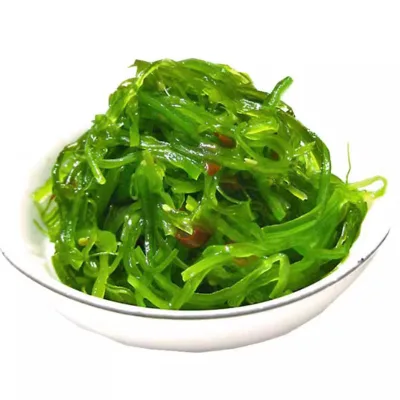
China Wholesale Crispy Sea Food Supplier Vf Wakame Vacuum Fried Wakame Chips
$13600.00 - $14000.00
Moq: 1



Comprehensive Sourcing Guide
Crispy Vacuum Fried Wakame Sourcing Guide
Procuring crispy vacuum fried wakame requires distinguishing between general vegetable snacks and specific seaweed varieties that utilize low-temperature vacuum frying to retain texture. Buyers must verify that the product model explicitly identifies the ingredient as wakame rather than a generic mixed vegetable blend, as the supply data indicates distinct specifications for wakame, kiwi, and okra variants. The core product attributes highlight a crispy texture achieved through specific processing methods, ensuring the final snack meets consumer expectations for a light, non-greasy mouthfeel.
Sourcing decisions should prioritize suppliers who explicitly list the standard composition as wakame, palm oil, and maltose, which differentiates the product from other dehydrated options. The observed packaging formats, such as 0.8kg bags within cartons, suggest a standardized unit for bulk distribution, yet buyers must confirm if the specific model matches the intended market segment. Understanding these granular differences prevents the accidental procurement of similar-looking but compositionally distinct vegetable chips that may lack the specific nutritional profile or flavor profile associated with premium wakame snacks.
Product Scope and Observed Listing Signals
The product scope encompasses a range of vacuum-fried seaweed snacks designed for all age groups, including children and adults, with a specific focus on healthy snacking applications. Listings indicate that the primary type is categorized as Vf Wakame, characterized by a moisture content of 3% maximum and a shelf life ranging from six to twelve months when stored correctly. This broad applicability allows buyers to target diverse consumer demographics, provided the product is marketed as a ready-to-eat item that requires no additional preparation.
Observed listing signals reveal that while some entries describe mixed vegetables, the specific wakame variants are defined by their unique ingredient standard and processing technology. Buyers should note that the storage method requires sealed bags at room temperature, avoiding direct sunshine to maintain the crispy texture and prevent moisture absorption. These signals help narrow the search to suppliers who understand the delicate nature of vacuum-fried seaweed and can guarantee the product remains stable during transit and storage without refrigeration.
Technical Specifications to Verify
Buyers must rigorously verify the processing technology, specifically confirming the use of low-temperature vacuum frying rather than high-heat methods that could degrade the seaweed's nutritional value. The technical standard for the product explicitly includes palm oil and maltose as key ingredients, which influence the final flavor profile and texture. It is critical to ensure the supplier's production line is capable of maintaining the precise moisture levels required to achieve the advertised crispy texture without compromising the structural integrity of the wakame.
Packaging specifications are equally vital, as the standard unit often involves 0.8kg bags packed four per carton, though variations like 1.0kg bags exist for different SKUs. Verification should extend to the packaging material, which is typically aluminum foil bags designed to protect the product from light and humidity. Buyers need to confirm that the carton specifications align with their logistics requirements and that the sealing process effectively prevents oxygen ingress, which is essential for preserving the shelf life and preventing rancidity in the oil-based product.
Compliance and Safety Documentation
Compliance verification is paramount, as the supply data indicates that reputable suppliers hold certifications including BRC, FDA, HACCP, and ISO. These certifications are not merely administrative but serve as evidence that the manufacturing facility adheres to strict international food safety standards. Buyers should request current certificates to ensure the supplier's quality management system is active and covers the specific production lines used for vacuum-fried wakame, rather than relying on generic company credentials.
Safety documentation must also address the specific ingredients and potential allergens present in the product, such as palm oil and maltose. Since the product is marketed for all ages, including children, the safety profile must be robust against common contaminants. Buyers should verify that the supplier conducts regular testing for heavy metals and microbial contamination, ensuring the final product meets the safety expectations of the target market and complies with local import regulations regarding seaweed-based snacks.
Cost Drivers and Commercial Terms
Cost drivers for crispy vacuum fried wakame are heavily influenced by the raw material quality of the wakame itself and the energy-intensive nature of the vacuum frying process. The use of specific ingredients like palm oil and maltose adds to the material cost, while the low-temperature processing requires specialized equipment and precise energy management. Buyers should anticipate that higher-quality raw materials and stricter quality controls will result in a higher unit price, reflecting the premium nature of the vacuum-fried technology compared to traditional frying methods.
Commercial terms often include a minimum order quantity of one ton, which is a standard threshold for bulk procurement in this category. While observed price ranges vary significantly, the MOQ acts as a primary filter for supplier engagement, requiring buyers to plan their inventory and cash flow accordingly. Negotiations should focus on the total landed cost, including packaging and logistics, rather than just the unit price, as the specific packaging requirements and shipping conditions for moisture-sensitive snacks can significantly impact the final cost structure.
Supplier Qualification and Quality Control
Supplier qualification should begin with a thorough audit of their production capabilities, specifically their ability to execute low-temperature vacuum frying consistently. The supply data highlights that the product originates from specific regions in China, such as Shandong and Dezhou, which are known for their food processing infrastructure. Buyers should verify that the supplier has a dedicated line for wakame products to avoid cross-contamination with other vegetable snacks and to ensure the specific texture and flavor profiles are maintained.
Quality control protocols must include regular testing of the final product's moisture content, texture, and ingredient composition. Since the product is sensitive to storage conditions, the supplier's internal quality checks should verify that the moisture remains at or below 3% before packaging. Buyers should also assess the supplier's ability to provide batch-specific test results and ensure that their quality assurance team is trained to identify defects in the crispy texture or packaging integrity that could lead to customer complaints.
Long-Term Procurement Checks
Long-term procurement success depends on establishing a consistent supply chain that can maintain product quality over the six to twelve-month shelf life. Buyers should implement periodic re-verification of the supplier's certifications and production standards to ensure they have not lapsed or changed. Regular sampling and testing of incoming goods are essential to confirm that the crispy texture and flavor profile remain consistent with the initial order, preventing quality drift over time.
Building a resilient relationship with the supplier involves clear communication regarding storage and handling requirements throughout the logistics chain. Since the product requires sealed bags and room temperature storage away from sunshine, buyers must ensure their logistics partners are aware of these constraints to prevent damage during transit. Continuous monitoring of market trends and consumer feedback will also help buyers adjust their procurement strategies, ensuring the product remains competitive and meets evolving health and taste expectations in the snack market.
FAQs
What is the shelf life of vacuum fried wakame?
The shelf life is 6 to 12 months when stored properly. You must keep the product in sealed bags at room temperature. Avoid direct sunshine to maintain quality. This ensures the crispy texture and nutritional value remain intact throughout the storage period for buyers.
Can I customize the packaging for wakame snacks?
Yes, customization is available for bulk orders. The standard packing is 0.8kg times 4 bags per carton. You can request specific packaging materials like aluminium foil bags. This flexibility helps brands meet their unique labeling and distribution requirements effectively.
What certifications do these wakame suppliers hold?
Suppliers typically hold BRC, FDA, HACCP, and ISO certifications. These credentials ensure strict quality control and food safety standards. They are essential for exporting to regulated markets. Buyers should verify specific certificates with the manufacturer before placing large orders.
How is the wakame processed to achieve crispiness?
It uses low-temperature vacuum frying technology. This process preserves nutrients while creating a crispy texture. The product contains wakame, palm oil, and maltose. This method avoids high heat, ensuring the vegetable snacks remain healthy and appealing to consumers.
What is the minimum order quantity for wakame?
The standard MOQ is 1 ton for most suppliers. Some vendors may accept lower quantities starting from 1 unit. Bulk orders often yield better pricing. Buyers should confirm the exact MOQ with the factory to align with their inventory needs.
Where are these vacuum fried wakame products sourced?
Products are primarily sourced from China. Specific origins include Shandong and Dezhou regions. These areas are known for vegetable processing. Buyers can request detailed origin information to assess logistics costs and supply chain reliability for their specific needs.